

In today’s competitive world, speed and accuracy matter more than ever. Industries want faster production, better quality, and lower costs. That’s where measurement instruments come in. These tools help professionals get accurate data quickly. From factories to laboratories, measurement instruments help improve work processes and save time.
Let’s explore how modern measuring tools are changing the game across industries.
What Are Measurement Instruments?
Measurement instruments are essential tools used across industries to detect, monitor, and record various physical, environmental, and electrical parameters. These tools help technicians, engineers, and quality inspectors assess whether systems, machines, or materials are functioning within acceptable standards. By offering precise and reliable readings, measurement instruments ensure efficiency, safety, and compliance in everything from manufacturing to construction and research.
Each instrument is designed for a specific type of measurement. For example:
- Multimeters are versatile tools used to measure voltage, current, and resistance in electrical circuits.
- Clamp Meters allow for safe, contactless measurement of current by simply clamping around a conductor.
- Lux Meters help determine the intensity of light in a given space, useful in offices, studios, and industrial settings.
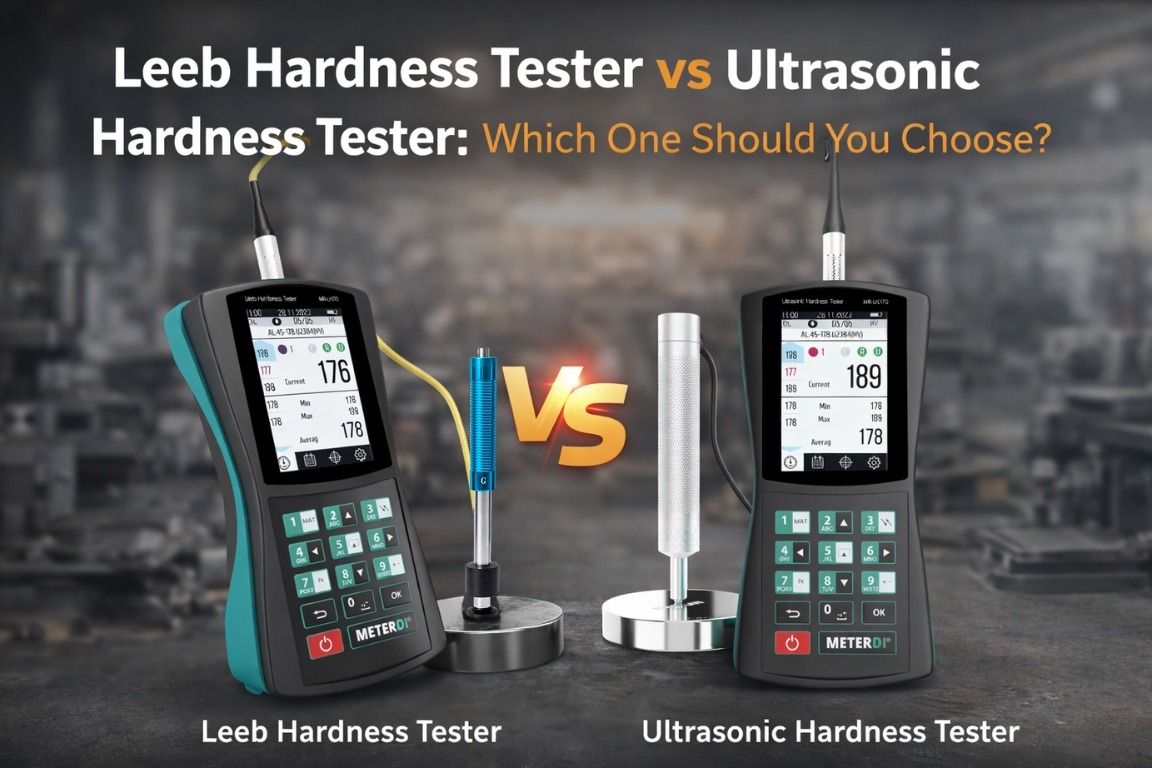
- Hardness Testers are used to determine the hardness level of materials like metals—vital for quality control in manufacturing.
- Surface Roughness Testers check how smooth or textured a surface is, which can affect how parts fit or perform.
- Sound Level Meters are used to measure noise levels, ensuring compliance with occupational health standards.
These instruments empower professionals to make informed decisions, reduce the risk of errors, and maintain the performance and longevity of equipment. Whether in laboratories or fieldwork, accurate measurement instruments are the foundation of trustworthy results.
Speed Up Work with Accurate Results
Modern measurement instruments are faster than old manual tools. For example, a portable hardness tester can check metal hardness within seconds. Earlier, such tasks took much longer.
Quick readings mean faster decisions. Workers don’t have to stop production to double-check things. This saves time and keeps the work moving smoothly.
Fewer Mistakes, Better Quality
When you have the right numbers, you can trust your work. Measurement tools reduce the chances of mistakes. A small error in a reading can lead to big losses in manufacturing.
In industries like automotive or electronics, even a tiny fault can cause big problems. Measurement instruments help teams find these issues early.
A surface roughness tester, for example, can quickly point out if a part is too rough. That way, the problem gets fixed before the part reaches the customer.
Easy to Use and Carry
Today’s tools are designed for ease of use. Most of them are portable and have simple buttons. They come with displays that show clear readings.
Clamp meters, for example, let electricians measure current without touching any wires. It’s safe, quick, and super handy in tight places.
Similarly, handheld sound level meters can be used by safety officers to check noise levels in different parts of a plant without needing expert training.
Trusted Data for Smart Decisions
Modern machines collect a lot of data. To make use of that data, you need accurate measuring tools. Many instruments now come with digital storage, Bluetooth, or USB features.
This allows users to log data, review trends, and plan better. If a machine starts showing strange readings, you can catch the issue early.
By trusting your data, you can improve machine life, reduce repairs, and make smarter decisions every day.
Why Every Industry Needs a Measuring Instruments Supplier
A reliable measuring instruments supplier is key to success. Industries often need tools quickly—especially during audits or urgent breakdowns. A good supplier doesn’t just sell; they offer guidance, after-sales support, and service.
They can suggest the right instrument for your need. For example, some materials need ultrasonic testing, while others do better with rebound methods. A trusted supplier will guide you right.
Suppliers with a large variety of products make things easy. You don’t have to shop at different places. Whether it’s an anemometer for airflow or a coating thickness gauge for paint jobs, everything is under one roof.
Long-Term Cost Savings
Buying quality measurement instruments may seem expensive at first. But in the long run, they save you a lot.
With accurate tools, you avoid product defects. This saves money on waste and customer complaints. Also, many instruments come with calibration and service plans. That keeps them accurate and running for years.
Businesses that invest in the right tools early enjoy more profits over time.
Used Across Industries
No matter the industry, measurement instruments play a critical role in ensuring precision, quality, and safety. In manufacturing, these tools help verify product specifications like size, weight, and hardness—ensuring that every item meets industry standards and customer expectations. Even a minor deviation can result in faulty batches, rework, or recalls, making accuracy a non-negotiable factor.
In the construction sector, measurement tools are used to assess material strength, alignment, load-bearing capacity, and levelling. These instruments ensure that buildings and infrastructure projects are not only up to code but also safe for long-term use.
Power plants rely on advanced electrical measurement instruments to monitor current, voltage, resistance, and load capacity. These readings are vital for maintaining system stability and preventing blackouts or equipment failures.
In research laboratories, instruments like spectrometers, pressure gauges, and data loggers help scientists perform controlled experiments with consistent results. Accurate measurements are the foundation of credible research.
The food and pharmaceutical industries use specialised instruments to monitor temperature, humidity, and contamination levels. These tools uphold hygiene standards and ensure regulatory compliance.
Regardless of the task, the goal remains the same: efficiency through accuracy. Measurement instruments empower professionals to reduce human error and deliver trustworthy results in every application.
Choosing the Right Tools
Not all tools are the same. It’s important to choose the right measurement instruments based on your job. Think about:
- What will you measure?
- How often will the tool be used?
- Do you need digital storage or Bluetooth?
- Should it be portable?
Once you answer these questions, you can pick the best option with help from a measuring instruments supplier.
Always go for tools that meet industry standards. They should be certified and tested for reliability. This ensures your readings are always correct.
METERDI—Your Industrial Measurement Partner
When precision matters, METERDI delivers. From electrical testing tools to surface roughness testers, METERDI offers high-performance solutions for professionals across industries. Our measurement instruments are accurate, easy to use, and built to last. With strong customer support and wide product variety, METERDI helps industries work smarter, faster, and better. Explore the full range and power your business with tools you can trust.
Final Thoughts: One Brand, Many Solutions—METERDI
Choosing the right partner makes all the difference. That’s why industries trust METERDI Instruments. Whether it’s a multimeter for electrical work, a portable hardness tester for metals, or a sound level meter for noise checks, METERDI offers tools that make work easier, faster, and better. With years of experience, quality support, and a wide range of options, METERDI stands out as a go-to name for industries that care about accuracy.